AIDEXTERS
Build AI systems from primitives, not platforms.
METHOD
CURRICULUM STRUCTURE
HOW THIS WORKS
Full-Spectrum AI Engineering
Not surface-level API calls.
The entire stack — from user-facing applications to training custom models on GPUs.
8 Products from scratch
Real applications you code from scratch.
Each one isolates and teaches a critical layer of AI engineering.
Break and Build
Reverse-engineer the best apps. Break them down. Rebuild from primitives.
We deconstruct their architectures and rebuild them live in code.
Live Engineering Sessions
Real-time building. Real-time debugging.
Not recorded tutorials — actual technical work sessions.
Ship to Production
Deployment. Monitoring. MLOps. Evaluation systems.
Your code faces real users and real scale.
FOUNDATION
SCOPE
WHAT AI ENGINEERING ACTUALLY LOOKS LIKE
This Is What AI Engineering Actually Looks Like
Six Layers Deep
most people never get past layer one
Dozens of Tools
each one with trade-offs
each one requiring deep understanding
Hundreds of Concepts
RAG, MCP, embeddings, fine-tuning
RL, evals, drift, guardrails
and you need to understand how they all fit together
Systems Engineering
this isn't "learn to code"
this is systems engineering for the AI era
The AI job market is splitting.
MARKET
DIFFERENTIATION
THE AI JOB MARKET IS SPLITTING
Prompters
Use ChatGPT. Use Cursor.
Know how to write prompts.
Think that makes them AI engineers.
It doesn't.
AI Engineers
Build the tools.
Understand systems, not just APIs.
Ship to production.
Rare. Thus, valuable.
LENS_II
ARCHITECTURAL ANALYSIS
REVERSE ENGINEER PRODUCTION SYSTEMS
Tear Down Production Systems
The fastest way to learn architecture is to dismantle systems that already work at scale.
Not to replicate them. To understand the constraints that shaped their design.
Every production AI system makes explicit trade-offs: conversation state, context management, retrieval versus generation, model orchestration, failure modes.
We deconstruct these systems live, then reconstruct the core patterns from first principles.
Production Systems We Analyze
ChatGPT
multi-turn conversation state
memory and tool execution
production model variants
Perplexity
search + reasoning fusion
retrieval pipelines
citation enforcement
Cursor
whole-repo indexing
context selection
latency vs accuracy trade-offs
Claude Artifacts
text-to-UI rendering
stateful components
structured output generation
Replit Agent
code generation with context
file system operations
live execution environments
GitHub Copilot
IDE-integrated suggestions
codebase-aware completions
multi-file context synthesis
Component Decomposition
Break systems into isolated components. Trace data flow across state boundaries and orchestration layers. Identify where architectural decisions are enforced and where they break down under load.
Context Management
Understand how systems decide what enters the context window. Compression techniques, summarization strategies, selective truncation. Multi-model routing logic and graceful fallback chains.
Execution Under Load
Study real-time streaming mechanics and backpressure handling. Tool calling protocols, retry logic, rate limiting strategies. How systems fail and recover when facing production traffic.
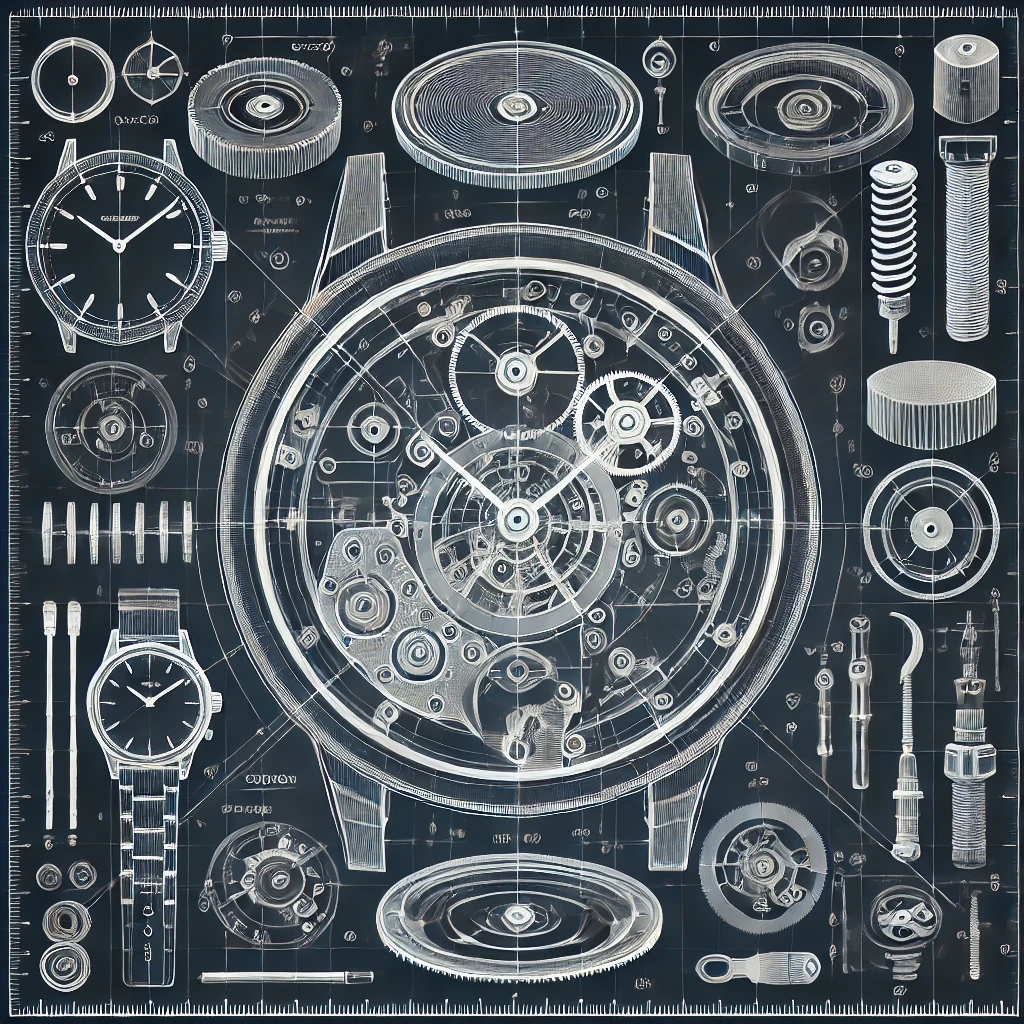
The Method
Select a production system. Push it until it breaks. Form architectural hypotheses. Validate through experimentation. Rebuild the critical patterns from scratch.
Not replication. Comprehension.
You walk away understanding constraints, not just features. Why the system evolved into its current shape under real-world pressure.
LENS_III
MULTIMODAL ENGINEERING
MASTER VISION, AUDIO, CODE, AND VIDEO
Beyond Text Completion
Text completion is table stakes. The real world operates in images, audio, video, code, and structured data.
Most AI engineers never leave the text domain. They build chat interfaces and call it multimodal. That's a blind spot.
Production systems process vision transformers, diffusion models, speech pipelines, and code as structured input. Each modality has its own encoding, architecture, and failure modes.
We build systems that handle all of them. From first principles.
Production Multimodal Systems
ChatGPT Vision
image analysis and interpretation
visual question answering
OCR and document understanding
DALL-E / Midjourney
text-to-image generation
diffusion model architectures
prompt engineering for visuals
GitHub Copilot
code as structured modality
AST-aware suggestions
type system integration
Whisper
speech-to-text pipelines
multilingual transcription
audio preprocessing
ElevenLabs
text-to-speech synthesis
voice cloning
prosody and emotion control
Face Recognition APIs
facial encoding and matching
embeddings for identity
privacy and bias considerations
Video Understanding
frame extraction and analysis
temporal reasoning
action and event detection
Runway / Pika
text-to-video generation
temporal consistency models
motion and physics simulation
Visual Systems
Vision transformers for image understanding. Diffusion models for generation — DALL-E, Stable Diffusion architectures. Video processing: frame extraction, temporal reasoning, action detection. Face recognition: encoding, matching, privacy. Computer vision fundamentals applied to production AI systems.
Audio Processing
Whisper for speech-to-text: multilingual transcription, preprocessing pipelines. Text-to-speech with ElevenLabs: voice synthesis, prosody control. Audio classification and feature extraction. Real-time streaming and latency management for voice interfaces.
Structured Modalities
Code as a modality: ASTs, type systems, static analysis. Function calling and tool execution protocols. JSON schema enforcement for structured outputs. Validation, error handling, graceful degradation. Build systems that understand and generate precise, machine-parseable data.

Multimodal Mastery
Build each modality from scratch. Vision transformers. Diffusion pipelines. Speech models. Code parsers. Deploy them to production.
Not API wrappers. Actual architectures.
You walk away able to reason across modalities. Understand why systems choose one encoding over another. Build multimodal applications that handle the real world, not just text prompts.
LENS_IV
INFRASTRUCTURE ENGINEERING
HARNESS THE AI INFRASTRUCTURE STACK
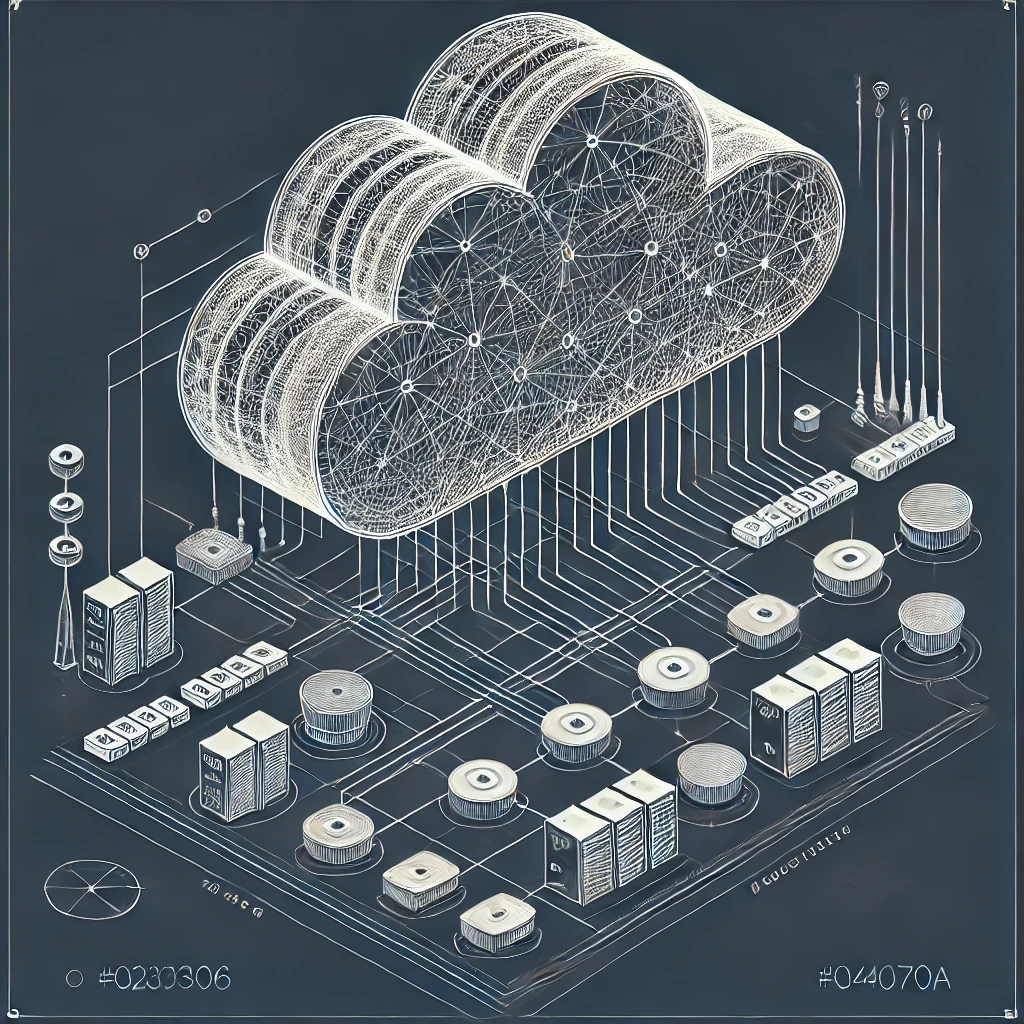
Beyond Model and Prompt
Production AI systems aren't just "model + prompt." They're built on specialized infrastructure.
Vector databases. Graph memory. Orchestration engines. Each one solves a specific problem. Each one has trade-offs.
You can't just "use Pinecone" and call it done. You need to understand when to use vector search vs keyword search vs hybrid. When graphs are better than vectors. How memory systems actually work. When to orchestrate with code vs orchestration frameworks. What these tools do under the hood.
This lens is about knowing the stack. Not abstractions. Actual infrastructure.
Production AI Infrastructure Stack
Vector Databases
Pinecone, Weaviate, Chroma, Qdrant
embedding storage and similarity search
approximate vs exact nearest neighbor
indexing strategies and metadata filtering
Graph Memory
Neo4j for entity relationships
knowledge graphs for structured memory
graph traversal with vector search
entity extraction and relationship modeling
Orchestration Engines
LangChain and LangGraph for workflows
Temporal for durable execution
Composio for tool integration
code vs framework trade-offs
Memory Systems
Mem0 for persistent user memory
context window management strategies
session state vs long-term storage
retrieval-augmented conversation
Hybrid Search
vector search + BM25 keyword search
result re-ranking and fusion strategies
semantic + lexical retrieval
when hybrid beats pure vector
Model Infrastructure
HuggingFace, Replicate, Modal, RunPod
hosting models and GPU management
inference optimization techniques
cost vs latency trade-offs
Vector & Hybrid Search
Workflows
Production Memory Systems
Build, Compare, Deploy
We won't just "use" these tools. We'll build systems with them and understand their internals. Hands-on workshops with real infrastructure.
Comparative analysis. When do you choose Pinecone vs Weaviate? When is a graph better than vectors? We'll test and measure.
Every tool gets integrated into actual projects. No toy examples. Real architectures under real constraints.
LENS_V
PRODUCTION ENGINEERING
DEPLOY AND MONITOR IN PRODUCTION
Beyond Localhost
Building on localhost is one thing. Production is a completely different beast.
Most AI projects never make it to production:
This lens is about making AI reliable.
Production AI Systems in Practice
OpenAI & Anthropic
version every model release
monitor performance, drift, safety metrics
continuous evaluation at scale
Perplexity
track answer quality and citation accuracy
user satisfaction metrics
run evals on every prompt change
ChatGPT
A/B testing prompts and models
response quality monitoring
real-time performance tracking
GitHub Copilot
measure acceptance rates and code quality
user retention metrics
constant model and prompt iteration
MLOps Platforms
Weights & Biases, MLflow, Arize
version prompts like code
catch drift before users notice
Production Standards
deployment pipelines and CI/CD
automated testing and validation
observability and debugging systems
Deployment & Monitoring
Quality & Evaluation
Engineering Practices
Ship and Monitor
Every project you build will get deployed. Not just "working on your machine." Real URLs. Real users. Real consequences.
Build monitoring dashboards. Track metrics that matter. Response quality. Latency. Cost. User satisfaction.
Run evals continuously. Automated evaluation suites. Testing prompt changes before they ship.
Implement guardrails. Content filtering. Output validation. Making sure AI doesn't do something catastrophic.
LENS_VI
FUNDAMENTAL UNDERSTANDING
UNDERSTAND HOW LLMS ACTUALLY WORK
Beyond Black Boxes
This is the deepest layer. Where you stop being a consumer and become someone who actually understands the technology.
Most AI engineers never touch this layer. They treat models as magic black boxes:
That's a fundamental gap.
Deep Model Understanding in Production
OpenAI
trained GPT-4 from scratch
fine-tuned for instruction-following and coding
safety alignment and evaluation
Anthropic
Constitutional AI and RLHF methodologies
alignment from first principles
training approaches for safety
Domain Fine-tuning
Replit (code), Harvey (legal), Bloomberg (finance)
adapting models to specific domains
specialized performance vs general models
Open-Source Models
HuggingFace, EleutherAI, Stability AI
training and distributing models
democratizing model access
Training Infrastructure
GPU infrastructure and CUDA optimization
memory management and inference speed
understanding hardware constraints
Model Distribution
versioning, datasets, training pipelines
experiment tracking and MLflow
infrastructure behind open-source AI
Training & Fine-tuning
Infra & Tools
Advanced Techniques
Build vs Use
Train your own language model (5M-50M parameters) from scratch. Understand tokenization, attention, and training dynamics. Not theory. Actual training runs.
Fine-tune open-weight models for specific tasks. Build RL training environments. Deploy models on GPUs. Optimize for inference speed and cost.
When you understand how models work: you make better architectural decisions, you know when to fine-tune vs prompt-engineer, you understand limitations deeply, you can evaluate properly.
This is the difference between using AI and understanding AI.
ACCESS
ENROLLMENT
REQUEST EARLY ACCESS
Cohort 02 opens H2 2026. Limited to engineers actively building production AI systems.